
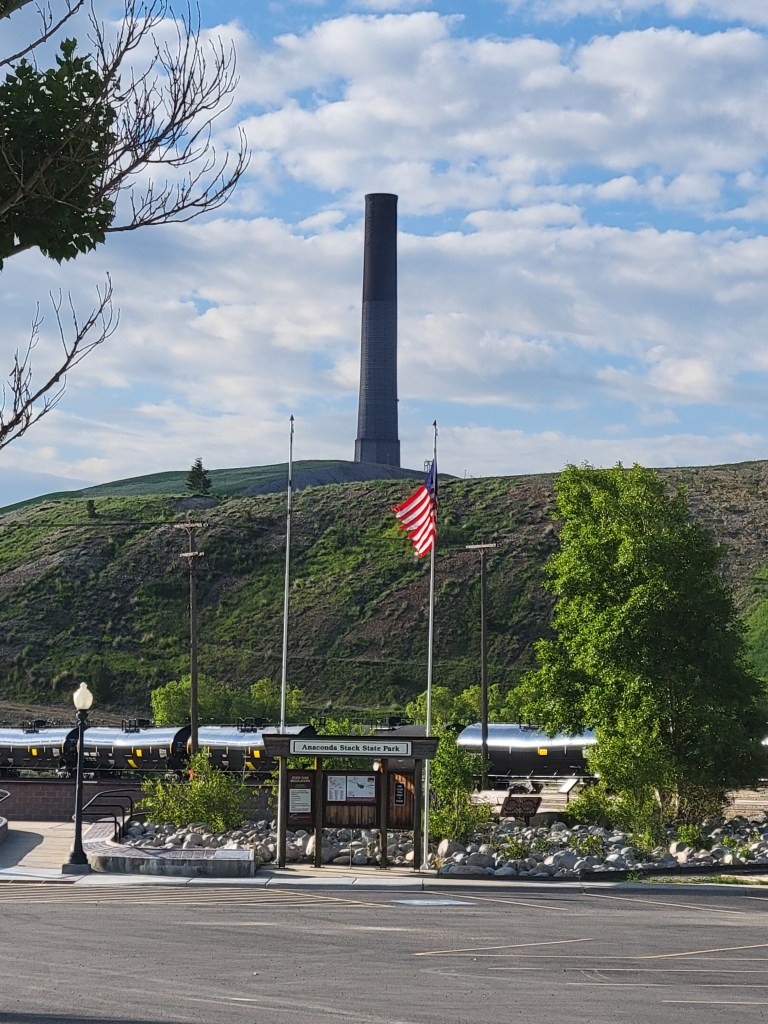
After spending an afternoon in Wallace, I crashed in the tiny town of Anaconda, Montana. This town had no significance for me, it was just a midway point between Spokane and Casper, Wyoming, where I planned to spend significant time. I didn’t spend enough time there to get a feel for the place, but Anaconda is another one of those ex-mining communities that saw its fortunes decline along with the industry.
Except in this case the industry left behind a powerful artifact in the form of the Anaconda Smelter Stack. This haunting brickwork monstrosity can be seen from miles away as you approach the town. At 585 feet it’s the tallest surviving masonry structure in the world. The chimney measures 76 feet in diameter at the bottom and 60 feet at the top. For generations it belted out the exhaust from the smelting plant of the Anaconda Copper Mining Company until that institution went defunct in 1981. Thankfully the people of Anaconda recognized what a beauty “The Stack” is and kept it preserved as a local landmark.
The next morning I was on my way to Casper, about 8 hours away. This is one of the emptiest corners of my route and I made sure to fill my tank and empty my bladder at every opportunity. On the way I saw a sign for Little Bighorn Battlefield National Monument. It hadn’t crossed my mind that I was passing through one of the site of one of the most famous battles in American history. Of course I had to go.
When I was a kid I read an old Random House volume about Custer’s Last Stand, the heavily mythologized account of how on June 25, 1876 Lt. Col. George Armstrong Custer and his 7th Cavalry Regiment were ambushed and ass-whupped by the combined forces of Lakota, Arapahoe, and Northern Cheyenne warriors, resulting in the deaths of 274 U.S. troops including Custer himself. This event is known to the Lakota as The Battle of the Greasy Grass and to the white world as The Battle of Little Big Horn.
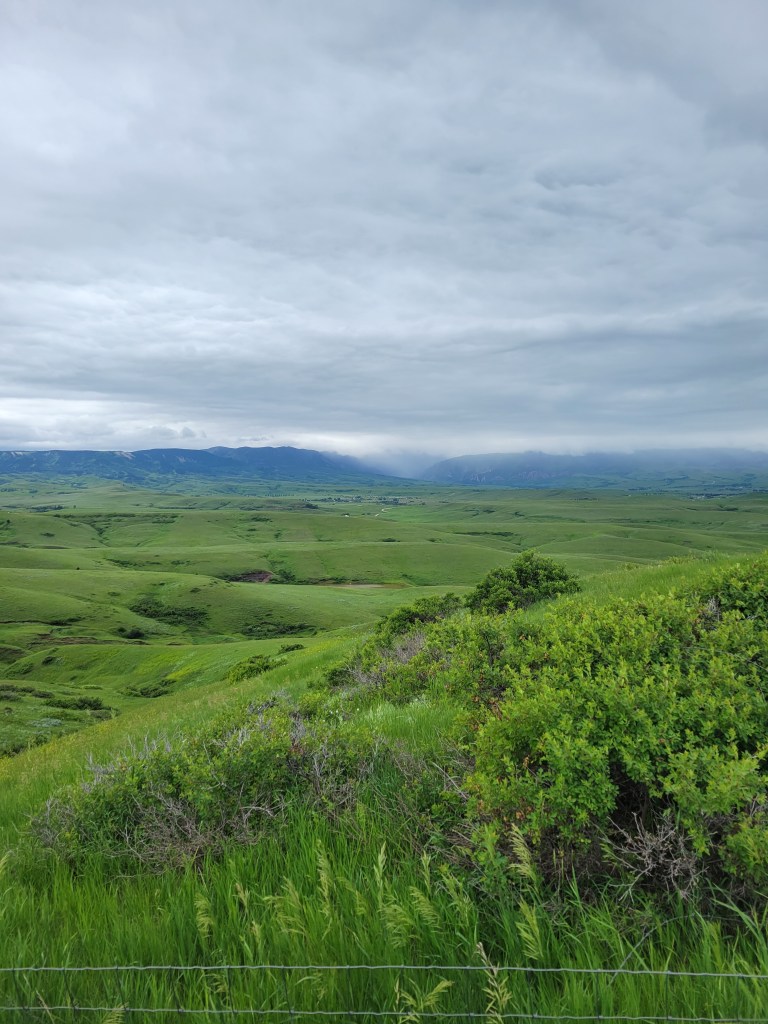
The monument itself is simple and not too remarkable; mostly consisting of a stone obelisk where most of the bodies of the fallen 7th Cavalrymen are buried en masse. This sits atop a hill overlooking a frankly beautiful field where 147 years ago a massive, gruesome bloodfest took place.
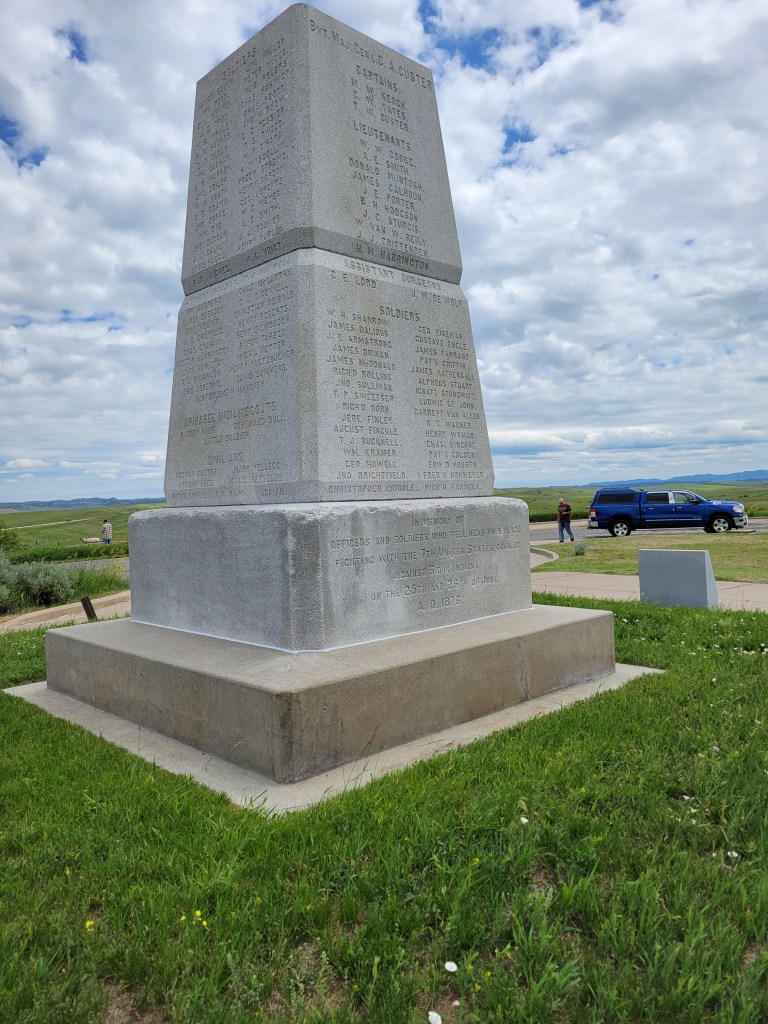
Unlike the book I read as a kid, the Little Bighorn monument attempts to pay homage to both the Native American and U.S. combatants, honoring the sacrifice of the various tribes who were after all just trying to defend their land. This was not always the case, as the site had been known as Custer National Monument until 1991 the name was changed by an act of Congress (no doubt this name changed triggered the conservatives of that day).
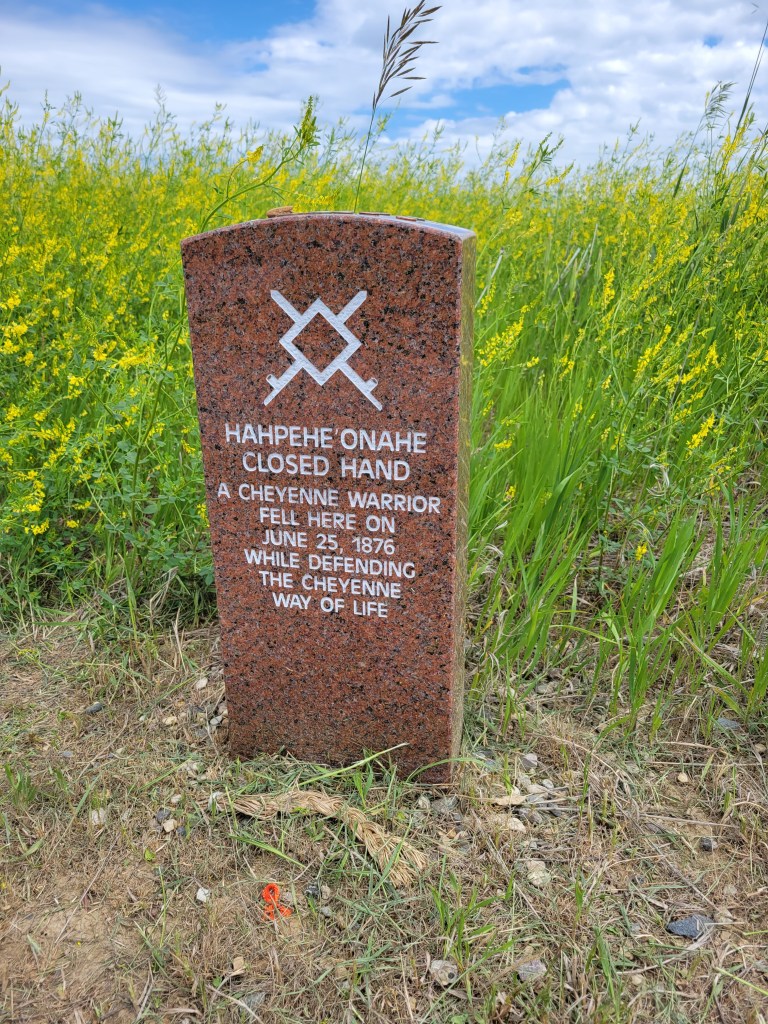
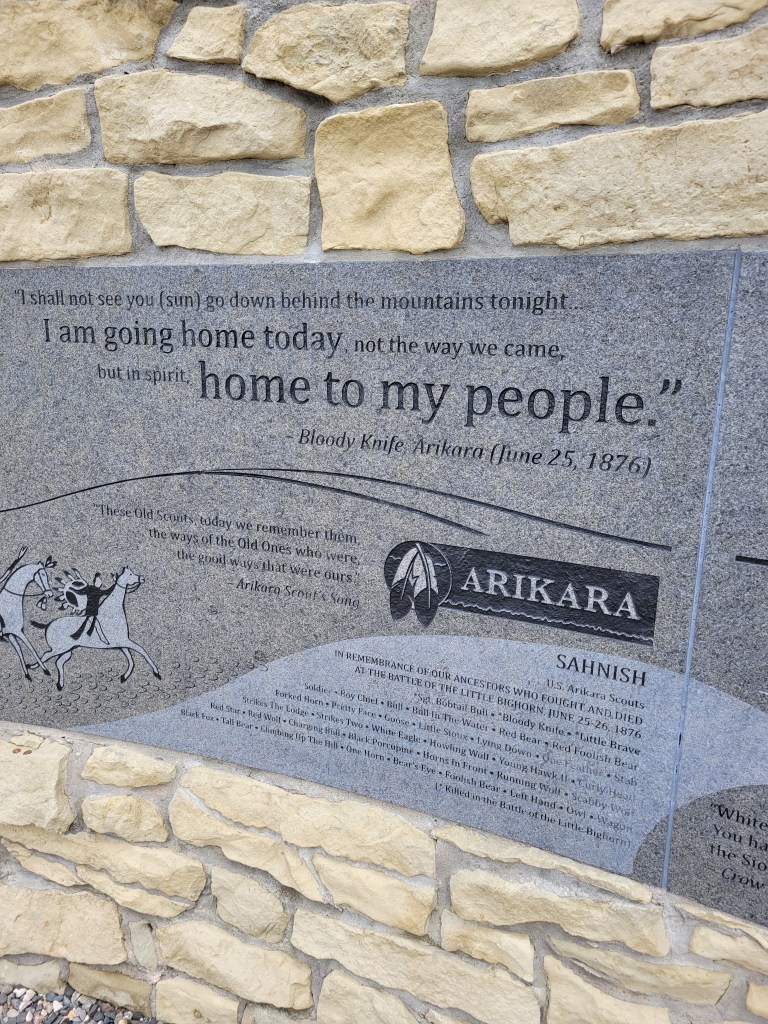
In a turn of events that feels like some sort of hack metaphor the skies began to progressively darken as I pulled away from Little Bighorn. Once again I faced a situation where rain clouds loomed in the distance and I wondered if I could outrun a storm. Thankfully I had nearly reached Casper city limits when the downpour came in full force (it turned out Casper has been facing especially nasty floods this season, occasionally resulting in road closures and whatnot).
The motel I chose for this stop might be the grungiest place I’ve stayed at thus far. Not to the point of being unacceptable mind you, but certainly the kind of place that might have made my parents recoil if they knew I stayed there. After a cursory inspection it became clear that many of the motel’s occupants were long term residents, people who for whatever reason were down on their luck. Outside the doors stood weathered camping chairs beside empty Folgers cans being used as ashtrays. Many of them had dogs who would whine during the day when the owners were gone. Occasionally at night I’d hear the sort of vulgar shouting match that reminded me of what happened at the Omaha motel.
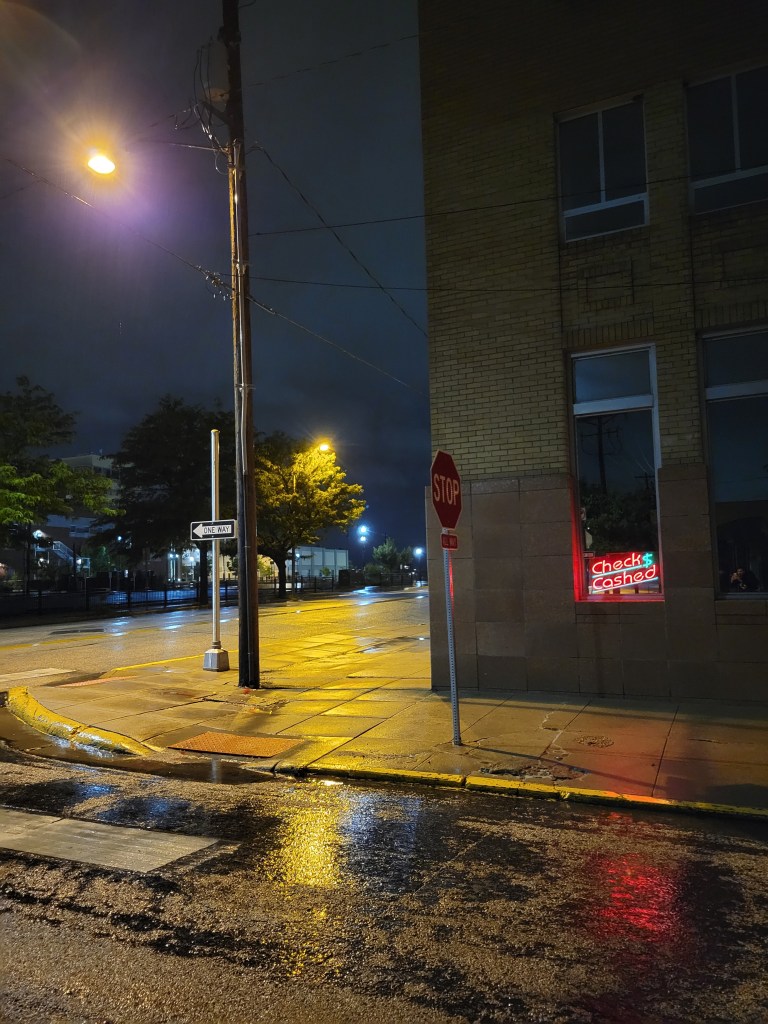
I don’t want to overstate things here; the room itself was serviceable and I never actually felt unsafe at this motel, but there was definitely a vague air of seediness. However this place did have one stellar advantage: a primo location. My motel was just a few short blocks from downtown Casper (which, admittedly, is not a huge city) and throughout my stay I was able to walk to most places I wanted to go.
One such place was the Tasting Room at Backwards Distilling Company. This delightful cocktail bar offers a wide array of unique cocktails, the ingredients of which are almost all distilled in house (this is out of necessity, one bartender explained, was out of necessity. Something about local liquor laws prevented them from operating as a normal bar and serving anything that wasn’t made at the facility.) These drinks were not only original and delicious but, in my opinion, criminally underpriced. Most of these concoctions would cost twice as much in Madison and three times as much in L.A.
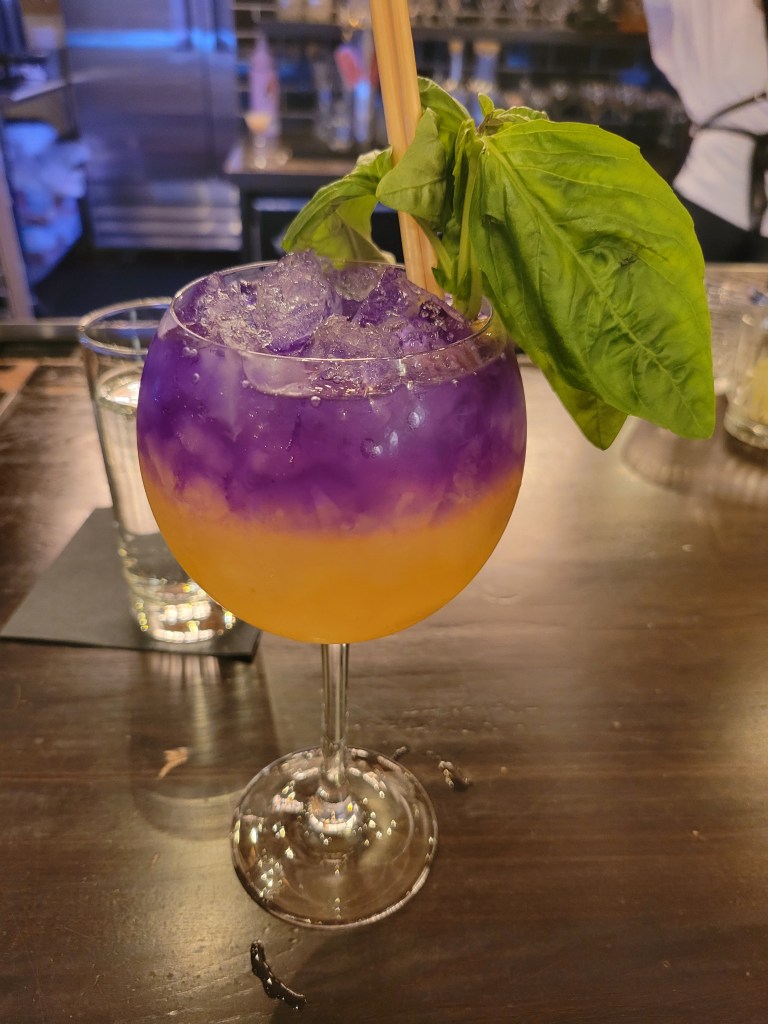
Yet as far as I can tell the people of Casper don’t know how good they have it. I came in on a Thursday night and there were maybe 10 people in the entire joint. Maybe it’s the Wisconsinite in me but I expect almost any downtown bar no matter how crappy to be packed until closing time on a Thursday. I think it’s for that reason (as well as the coolness of their various bartenders) that I felt compelled to give them a special shout out on this blog.
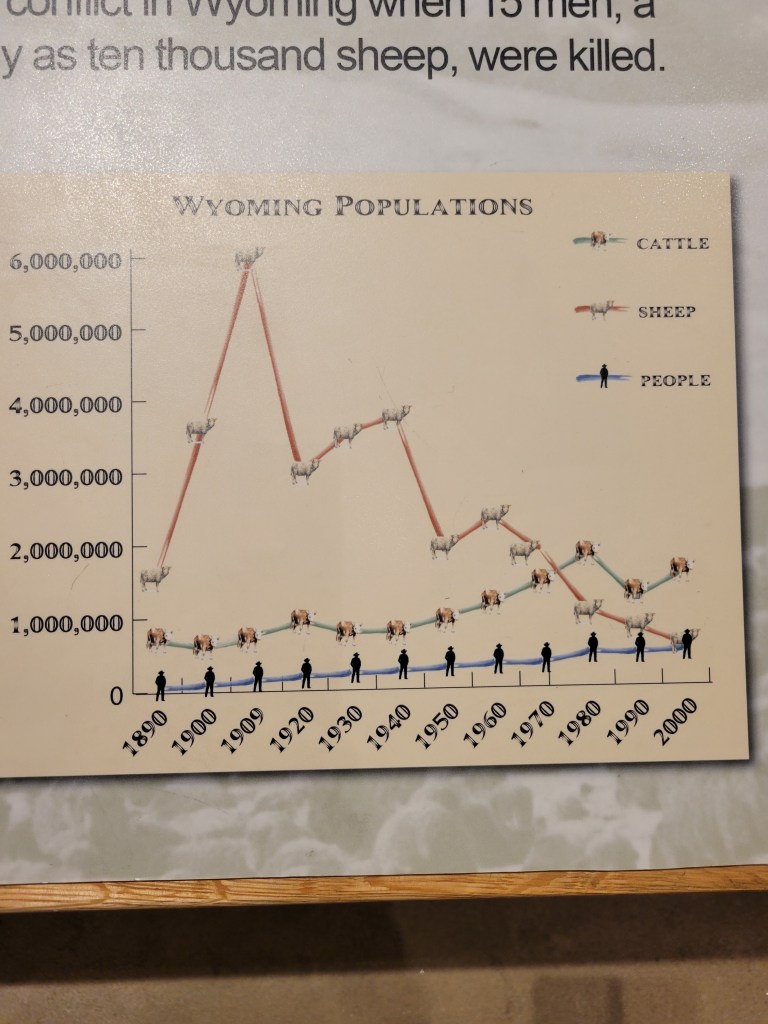
Oftentimes as I walked through Casper the town felt small and sleepy, but I have to remember how much it probably towers in relation to the rest of the state. At 58,547 it’s the second largest city in Wyoming, with #1 Cheyenne barely any bigger. Consider that, and then consider that this state is fucking huge with only a small scattering of population centers across a vast, empty landscape.
The people seem to like it that way. One bartender I talked to mentioned that he lived in Kaycee, a miniscule town a good hour away from Casper. I gawked at this ungodly commute, but to him it was no big deal. Space has a different meaning out here, it’s something to be cherished, not conquered or overcome. At one point someone at the bar mentioned that 52% of land in Wyoming was publicly owned, and the general consensus was that it ought to stay that way. Having seen my fair share of oversaturated development on this Tour, I can respect that.
I have much more to say about Casper, so stay tuned for Part 2 as soon as I feel up to it!
 Ghost on the Highway