
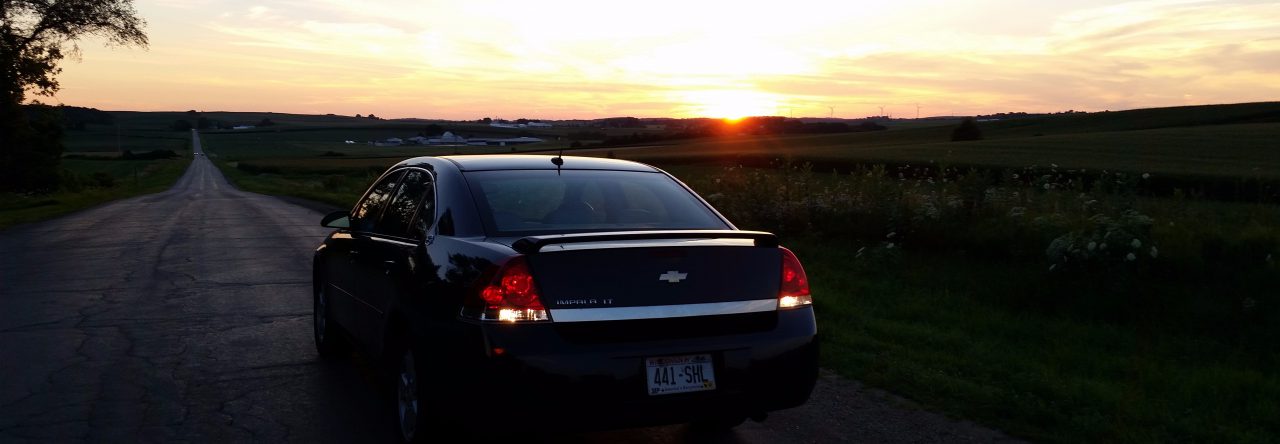
The first person I called when I got to Thunder Bay was my brother. He asked me what I thought of the place. I paused for a moment, then blurted out,
“Not gonna lie… it’s little bit scuzzy.”
My cursory research on T-Bay had hinted that this might be the case. Reddit forums and local news articles occasionally griped about the city’s crime rates, which according to one report were “comparable to that of some U.S. cities” [gasp!].
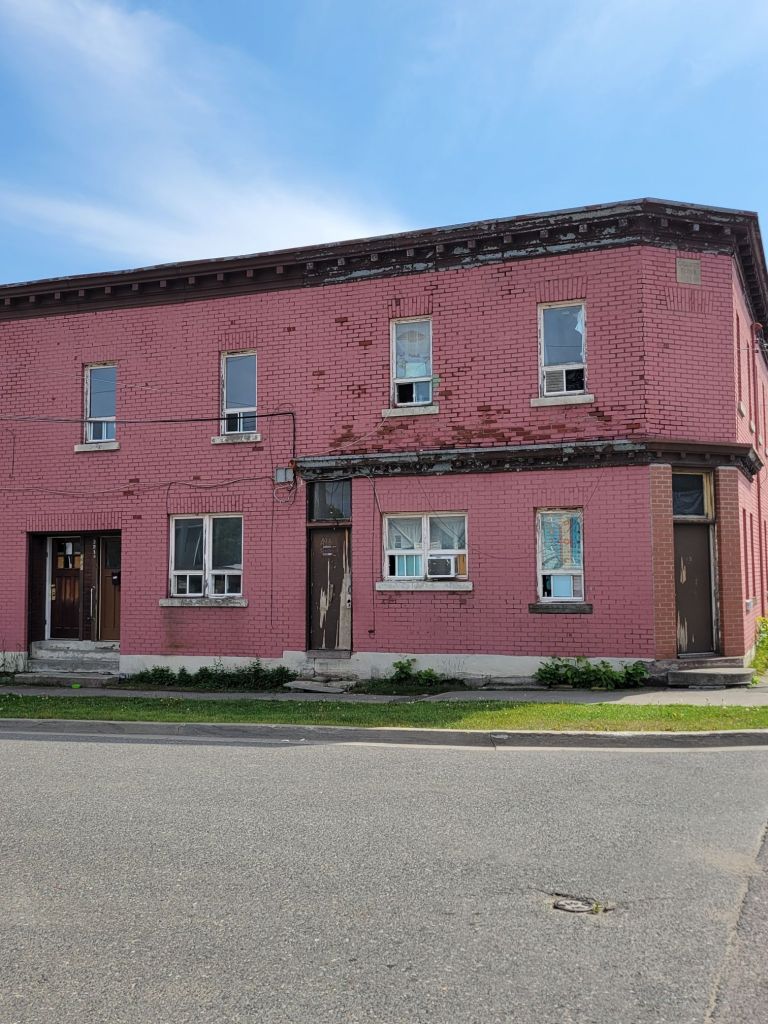
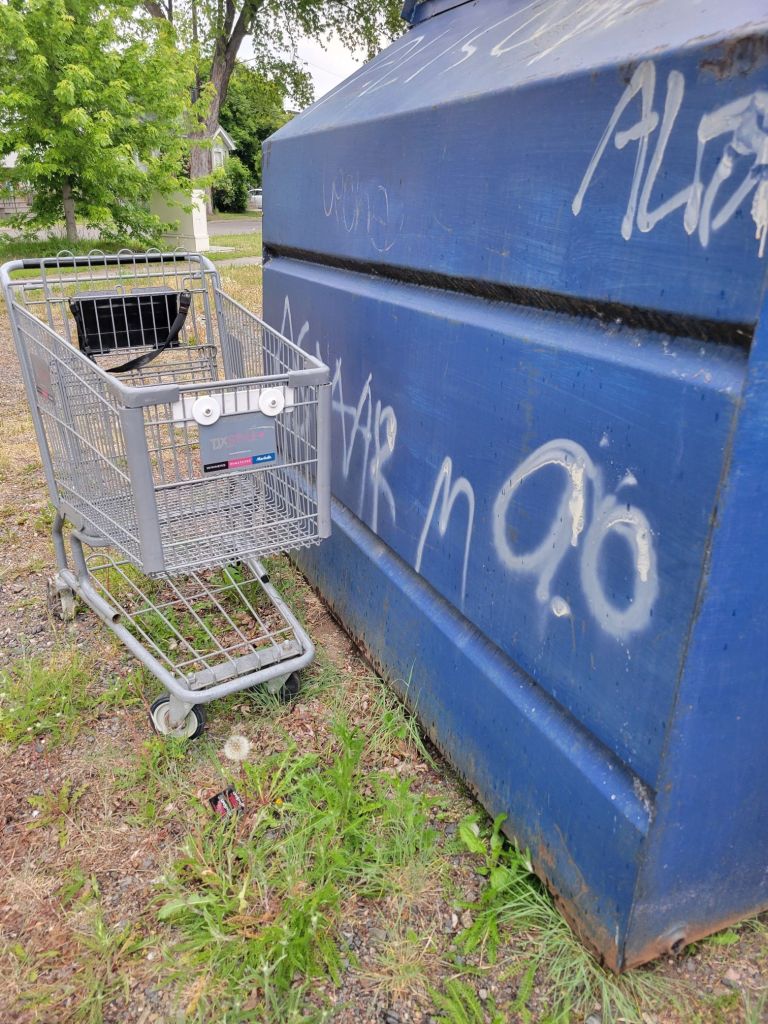
Don’t get me wrong: I never for one moment felt unsafe in Thunder Bay, and most of it is actually quite nice. But I’d be remiss not to acknowledge the ever-present signs of homelessness and addiction that pervade the city.
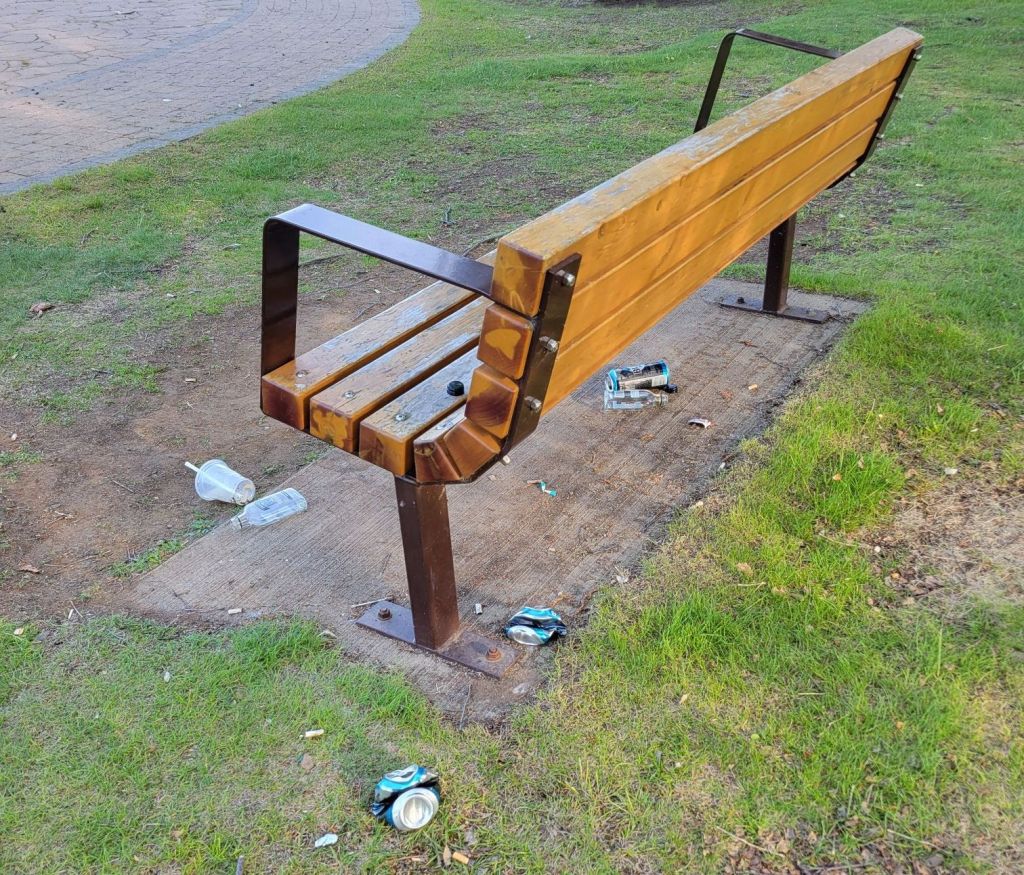
Even so, the sleaziness of Thunder Bay was at worst only “comparable to that of some U.S. cities.” The vibe I picked up was more messy and grungy than actively harmful. And indeed, when you actually dive into the details of T-Bay’s higher-than-average crime rates, you find that while property crimes are quite common, violent crimes don’t even approach the levels most American cities are used to.
Thunder Bay as a city has technically only existed since 1970, when the separate municipalities of Fort William and Port Arthur were merged by the Ontario provincial government. It’s a working-class town, historically driven by the industries of forestry, mining, and grain shipments.

Culturally, the area is dominated by large Italian, Finnish, and Polish immigrant communities, a fact that became immediately apparent to me as I strolled the streets of downtown Port Arther and ran into all sorts of ethno-specific restaurants, bookstores, and cultural centers. The Indigenous community also has a notable presence in the area (indeed, some of the most enriching experiences I had in town came from observing First Nations art in the Thunder Bay and Ahnisnabae galleries).
It was a place both familiar and distinct. With its Great Lakes geography and blue collar culture I could recognize it as an extension of the Wisconsin culture I know and (sometimes) love. Yet there’s something about being in a foreign country where even the smallest differences stand out, each unfamiliar novelty affording an opportunity to tickle the imagination with its mere presence. “Ooh, I never thought about doing this thing THAT way!”

Beyond the obvious transformations of miles to kilometers, “center” to “centre”, etc., one of the first Canadian quirks that came to my attention was the logo they use for “WALK” at traffic stops. Check it out:
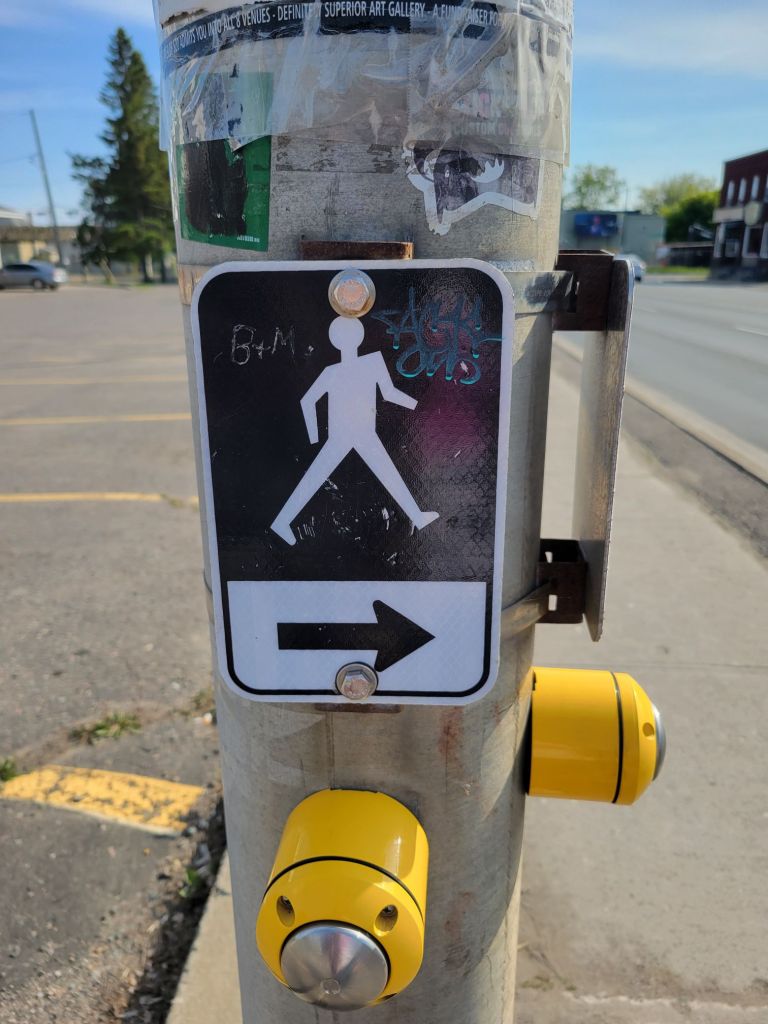
Is it just me, or is there something just delightful about this emblem? The “WALK” man we’re used to leans meekly forward, his nondescript body betraying the quiet but dedicated rush that lubes the gears of the capitalist workday. This Canadian guy is taking up space – his chest is puffed out, his legs spread wide like somebody determined to actually enjoy their day, doggone it!
Some other things that struck me as unique to Canada/Thunder Bay:
- When you pay for food at a restaurant, they say “bill” instead of “check”
- Plastic bags are virtually nonexistent. Shoppers at even the most basic establishments are expected to bring some kind of reusable sack, or carry items off themselves. (This is one of the areas where Canadian environmentalism did live up to my expectations).
- A lot of homes in Thunder Bay have signs that read something to the effect of “No Junk Mail Please”. Honestly, this blew my mind. Everyone hates junk mail, but how come nobody I know in America has ever bothered to instruct its non-delivery. Is this even possible? Are we allowed to refuse the U.S. mail?? Let me know in the comments!
- Canadian cigarettes have little warnings on the filters; “Cigarettes Damage Your Organs” and stuff like that. Judging by the amount of butts on the ground, however, I’m not sure how much of a dent this is making…
- At the food court of the Intercity Shopping Center – an otherwise generic mall – I encountered a service I never knew existed. As I stood up with my tray full of refuse and looked helplessly for the nearest trash can, a patron pointed me toward a “tray station” where two workers were cleaning stacks of plastic platters and sorting the accompanying waste. Is this a service unique to that mall, or a feature of Canada’s ingrained commitment to recycling (one that extends everywhere except its own streets)? I don’t know, but either way it felt weird enough that I was compelled to write it down.
- Finally, I have to include a shout-out to the ubiquitous coffee/donut/breakfast food chain Tim Hortons. Yes, they’re a big corporate empire, and I’m sure some Canadians are rolling their eyes at the thought of giving this Starbucks-like entity any more real estate than it already holds in their country. But damn it, for corporate fast food, it’s pretty fucking good. I had a bacon farmer’s wrap just about every day before I went hiking (mostly because it was the only coffee shop open that early in T-Bay) and it hit the spot every time. Imagine Dunkin Donuts, but cheaper and better (and probably with fewer preservatives and whatnot).

I’m sure there are other examples I can’t think of at the moment, perhaps even ones that were so subtle I didn’t even notice them. One of the most endearing aspects of being in a different country – even one where the language, climate, and culture are similar – is that everything feels just a little bit off. Big or small, logical or not, I’m here to celebrate the quirks…
 Ghost on the Highway